When to Repair and When to Fabricate a Replacement in Hydraulic Systems
Hydraulic equipment takes a beating. Cylinders, hoses, manifolds, and mounting brackets live under pressure, constant motion, and exposure to grit, moisture, and heat. Over time, wear or a sudden impact can crack a weld, bend a bracket, or damage a manifold beyond a simple patch. At that point, you have a decision: repair the existing component or fabricate a new one. Both approaches have their place, and choosing right depends on a few practical factors.
Understanding the two paths
Repair means working with what is there. That could involve weld repair on a cracked bracket, straightening a bent mounting plate, or rebuilding a hydraulic cylinder with new seals and a honed barrel. Fabrication means starting from stock material and making a new component from scratch. Both call on metal fabrication skills and a good understanding of the equipment's original design.
Neither option is always better. The best choice depends on the component's condition, the availability of replacement parts, the time you have, and the stresses the part will face. A practical approach looks at each case on its own.
When repair makes sense
Repair is often the faster route. If the damage is localised and the rest of the component is still sound, fixing just the affected area can get the machine running again without the lead time needed to measure, cut, and weld a complete replacement. This is especially true for parts that are hard to remove or require disassembly of surrounding systems to access.
For example, a cracked mounting bracket on a hydraulic pump can often be repaired with a careful weld. The bracket's overall shape and dimensions remain correct, so alignment with the pump and frame is preserved. Similarly, a hydraulic manifold that has developed a leak at one port can sometimes be saved by welding a new fitting onto the existing block, provided the block itself is not corroded or cracked elsewhere.

Repair also works well when the original component is no longer manufactured. If you cannot buy a direct replacement, keeping the existing part alive through weld repair and reconditioning may be the only practical option. In those cases, a good weld repair can extend a component's service life by years.
Another strong candidate for repair is structural steel that has suffered a fatigue crack but is otherwise in good shape. A welder can grind out the crack, prepare the joint, and lay a sound bead that restores the part's original strength. The key is knowing the material thickness and the type of stress the joint will carry. A repair that looks good on the surface but skips proper preparation will fail again.
What to check before repairing
- Is the damage limited to one area? A single crack or a bent tab is a good candidate. Multiple cracks, widespread corrosion, or repeated broken welds suggest the part is worn out.
- Can you access the damaged spot without cutting away good material? Sometimes a repair requires removing so much metal that the part becomes weaker than when you started.
- Is the component's alignment still intact? A bent hydraulic cylinder barrel cannot be straightened reliably; it needs replacement. A bent bracket can often be straightened and reinforced.
When fabrication is the better call
Fabricating a new component becomes the right choice when the existing part is too far gone. If a manifold has multiple cracked ports, internal corrosion, or distorted threads, trying to repair it piece by piece will cost more in labor and still leave you with a compromised part. A new manifold fabricated from fresh material with proper dimensions and thread specs will be more reliable in the long run.
Fabrication also makes sense when you need an upgrade. Original equipment parts sometimes have design weaknesses that lead to repeated failures. A replacement bracket that uses thicker material, gussets, or a different weld pattern can solve the problem permanently. A fabricator can adjust the design while keeping mounting points, port locations, and clearances exactly as they need to be.
Another scenario is when the component is simple and quick to make. A straightforward bracket, a spacer, or a simple hydraulic manifold block may take less time to fabricate than it does to clean, prepare, and repair the old one. In those cases, starting fresh is the efficient path.
For parts that must handle high pressure or heavy loads, a new fabrication also eliminates the uncertainty of hidden damage. A crack may start from a point you cannot see, and a repair that covers it up may not stop it from growing. A new component, made from known material with a consistent weld schedule, removes that risk.
What to consider before fabricating
- Do you have accurate dimensions and material specs? A replacement that does not match the original's mounting holes, port locations, or thickness will cause alignment problems and leaks.
- Can the machine be down long enough for the fabrication? If the component is complex, measuring, modeling, and cutting the new part takes time. Sometimes a temporary repair keeps production moving while the new part is made.
- Is the component critical to safety? For high-pressure hydraulic lines, cylinder end caps, or lifting equipment, a new fabrication with certified material is often the only safe route.
Balancing repair and fabrication
In practice, many shops mix the two approaches. A damaged hydraulic cylinder might get a new barrel fabricated while the original rod and head are reconditioned and reused. A manifold might be repaired on one side while a new port is added on the other for a future system expansion. The goal is to keep the equipment running without introducing new failure points.
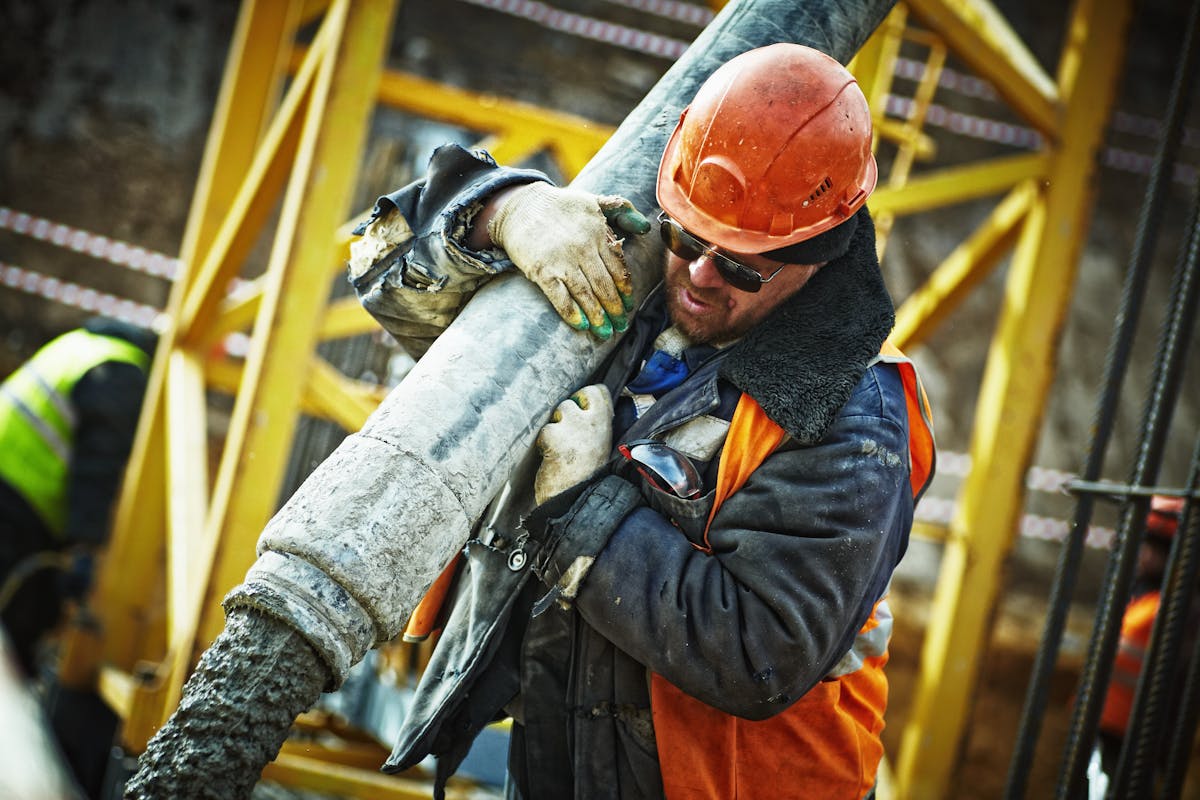
One area where this balance is especially common is in welding support for damaged machinery. When a piece of equipment has a cracked frame or a broken attachment point, the welder assesses whether the crack can be ground out and filled or whether the entire section needs to be cut out and replaced with new steel. That judgment call happens daily in hydraulic maintenance shops. The same careful thinking applies to individual components: repair the sound parts, replace the worn ones.
Another consideration is the component's history. If the same part has been repaired twice already, a third repair is likely to fail sooner. At that point, fabricating a new one with improvements is the wiser investment. On the other hand, a part that has never had any trouble and suffers a single isolated break is often a good candidate for a one-time weld repair.
Practical cues from the shop floor
When a hydraulic manifold or mounting bracket comes in for evaluation, the first step is always a clean inspection. A shop will remove paint, grease, and rust to see the full extent of the damage. Cracks that are visible only after cleaning can change the decision from repair to replace. Material thickness matters, too: thin-walled tubing or stamped brackets may not have enough metal to hold a repair weld without burning through or distorting the shape.
Another practical cue is the component's alignment. If a bracket or manifold is bent out of its original plane, it will not bolt up correctly even if the crack is welded. Straightening can sometimes fix the alignment, but if the bend is severe, the material may be stretched or thinned in a way that makes the part unreliable. Fabricating a new component that matches the original dimensions exactly is often the only way to restore proper fit.
The same judgment applies when the equipment is older and original drawings no longer exist. In those cases, a good fabricator can take measurements from the existing part, note the port locations and thread sizes, and create a replacement that matches the original. If the old part is still mostly intact, it can serve as a template for the new one. If the old part is too damaged to measure accurately, the fabricator may need to fit the new component in place using the surrounding equipment as a guide.
Making the call
There is no single rule that covers every case. The decision comes down to the condition of the part, the time available, and the cost of downtime. For a simple crack in an otherwise solid bracket, a quick weld repair can have the machine running in an hour. For a manifold with multiple damaged ports or a cylinder with a scored barrel, a new fabrication is the only way to get reliable performance.

Good hydraulic fabrication services rely on that kind of judgment. A shop that can both repair and fabricate offers flexibility. They can save a component that still has life left and replace one that does not. That ability to assess and act is what keeps hydraulic systems working through long seasons and hard use.
When welding support for damaged machinery is needed, the same logic applies. The welder looks at the crack, the material, and the stresses involved. Sometimes a stitch weld holds for years. Sometimes the only fix is cutting out the damaged section and welding in fresh steel. Knowing which is which comes from experience and a clear understanding of how the component fits into the larger system.
In the end, the goal is the same: a reliable component that fits, seals, and carries its load without failing. Whether that component is repaired or fabricated from scratch depends on the specifics of the damage and the demands of the job. A practical mind, good measurements, and sound welding make either approach work.